Greta Baumann · 2 September 2026
Bloomdock Educational Research has expanded its marine biology curriculum by establishing three new field laboratories along Poland's Baltic coastline. The initiative aims to strengthen practical training for undergraduate and graduate students through direct engagement with marine ecosystems. Faculty members developed the program over two years in consultation with regional environmental agencies and research institutes.
New Laboratory Locations and Facilities
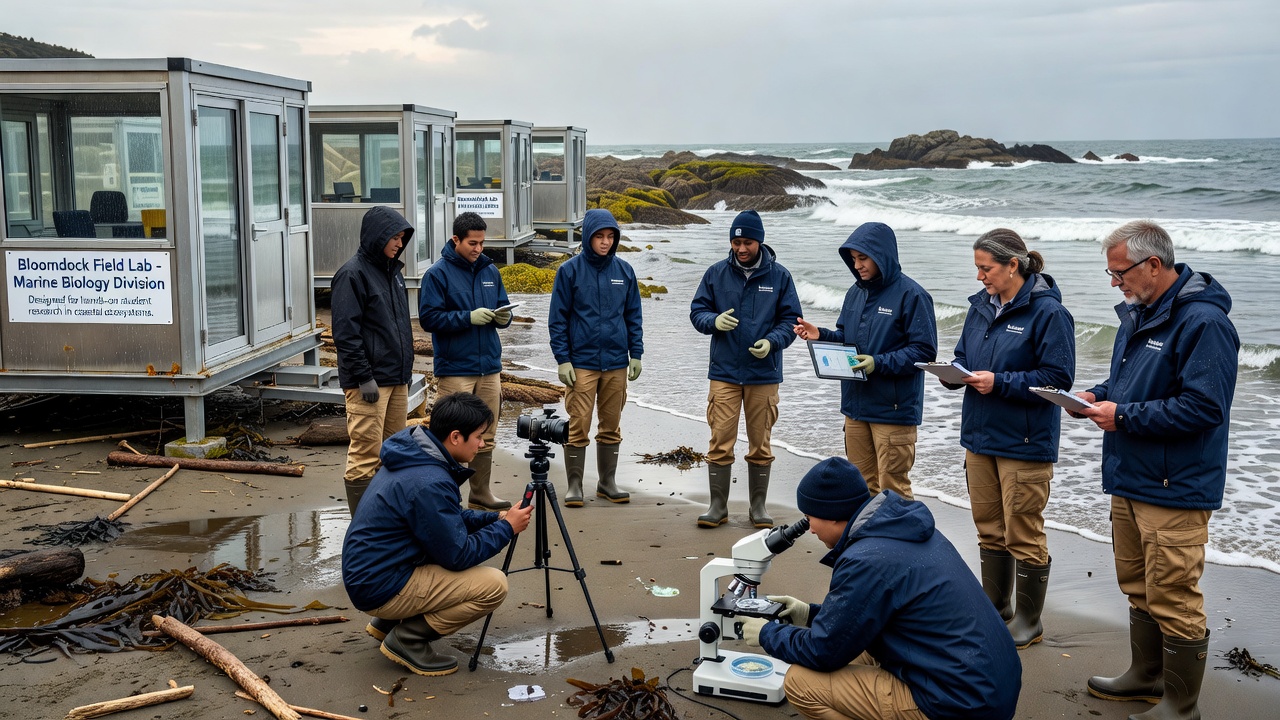
The primary site near Gdansk features a 2,000-square-meter complex equipped with wet labs, diving support stations, and real-time sensor arrays for monitoring water quality. A second facility in Szczecin focuses on estuarine studies with specialized equipment for sediment analysis and plankton sampling. The third lab, located on the Hel Peninsula, provides access to protected marine reserves and includes classrooms for data interpretation. Each location supports groups of up to 25 students per session and operates year-round with seasonal adjustments for weather conditions. Curriculum updates integrate these sites into core courses on oceanography, biodiversity assessment, and conservation strategies, replacing some classroom-based modules with extended field modules lasting two to four weeks.
Equipment includes autonomous underwater vehicles, high-resolution microscopes, and portable DNA sequencers that allow on-site genetic analysis of collected specimens. Partnerships with the Polish Academy of Sciences provide access to additional research vessels for offshore sampling. Students now complete mandatory field reports that contribute directly to ongoing institutional projects on Baltic Sea eutrophication and invasive species tracking.
Expected Outcomes and Research Integration
Early evaluations indicate improved student performance in practical assessments, with average grades rising by 12 percent in pilot groups. The expansion also increases opportunities for collaborative research, including joint publications with international partners from Sweden and Germany. Bloomdock anticipates enrolling 180 additional students annually in marine biology tracks due to the enhanced hands-on component. Long-term goals include developing open-access datasets from lab monitoring activities to support broader scientific communities. Faculty continue to refine protocols based on feedback from the first cohort, ensuring alignment with evolving European Union marine policy frameworks. This development positions Bloomdock as a leader in applied marine education within Central Europe.